




The impact of highways on property values is a complex topic that has been addressed in various studies and plays a significant role. Such infrastructure not only extends its benefits or drawbacks to those who directly use it, but also through changes in property values. This makes the importance of highways and their zoning implications a critical area of study for property owners near highways.
Although highway construction might initially seem detrimental to adjacent properties, evidence suggests there is a tendency for property values to increase near highways, though this impact comes with nuances that vary from property to property.
This guide delves into understanding the multifaceted relationship between transportation infrastructure, specifically highways, and property values. It explores diverse case studies to shed light on how zoning impacts property values and how proximity to highways affects regional economic landscapes.
Furthermore, this guide addresses the complexities and essential considerations in planning infrastructure that supports growth without negatively impacting existing property values, thus navigating future trends and potential developments in this field.
Understanding the Impact of Transportation Infrastructure on Property Values
Properties near transportation hubs, such as highways, subways, and bus lines, often experience an increase in value due to better accessibility and higher demand. Economic development is a significant factor driving the positive correlation between transportation infrastructure and property values, reflecting the broader impacts of urban transportation systems on property values and their associated external benefits.
This phenomenon is not isolated but relatively widespread, affecting different properties differently. Environmental considerations, including greenhouse gas emissions, are part of the broader impact of transportation infrastructure on property values, highlighting the importance of integrating these factors into transportation planning processes.
Here are more details on how proximity to transportation infrastructure affects various property types:
Residential Properties and Real Property Value:
Single-family detached homes: Generally, these properties experience a negative impact due to noise and pollution from being too close to highways.
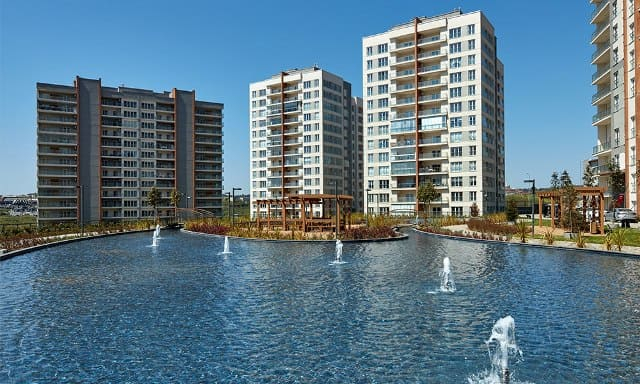
Multi-family residential developments (like condominiums): These properties often benefit from proximity to transportation hubs, attracting residents who prioritize accessibility.
The impact of public transit: Properties and land values within a half-mile radius of a fixed train station retained their value 41.6% better than their regional averages during economic downturns. This demonstrates the resilience and significant appreciation of land value for properties near quality public transportation infrastructure.
Commercial properties: These properties experience a positive impact from proximity to highways and other transportation infrastructure, as accessibility attracts businesses and customers alike.
Factors Influencing Property Values:
Environmental considerations: The environmental premium for properties in walkable areas with excellent public transportation options reflects the prioritization of eco-conscious markets for accessibility without the need for personal vehicles.
Economic value: Improved accessibility attracts more businesses and employees, resulting in an increase in the financial value of the area and, consequently, property values.
Externalities: While increased accessibility is a positive factor, negative externalities such as noise, pollution, and traffic can adversely affect property values. For example, highway noise can decrease property values due to increased traffic, exhaust fumes, and light pollution.
Market demographics: Millennials, who highly value public transportation, are becoming the dominant demographic in the workforce, driving up demand for properties near transportation hubs.
Hedonic pricing models estimate how environmental considerations and economic value impact property values, highlighting the positive correlation between the availability of a transportation system and property values.
Another tool used in this analysis is the linear regression model. However, this model may not be as effective as spatial models in capturing the complex relationship between transportation infrastructure and property values.
The Impact of Transportation Infrastructure on Property Values:
The relationship between transportation and real estate is significant, with properties near quality public transportation infrastructure being valuable and resistant to economic downturns. This proximity can increase property prices, as spatial econometric models have shown the positive effects of transportation infrastructure on housing prices and rents in various locations.
New or improved transportation infrastructure can spark urban renewal in previously neglected areas, leading to increased property development, improved amenities, and higher property values. The significant influence of such infrastructure projects in enhancing property values in urban renewal contexts is evident through the application of hedonic models, which estimate the impact of transportation systems on property values.
The main determinant of a negative impact on property values is the growth of regional traffic on major roads in the area, rather than the mere existence of a highway itself.
In summary, the impact of transportation infrastructure on property values is multifaceted and influenced by various factors, including property type, environmental considerations, economic value, externalities, and market demographics.
Understanding these dynamics is crucial for property owners, investors, and policymakers.
Case Studies: The Impact of Transportation Infrastructure on Property Values

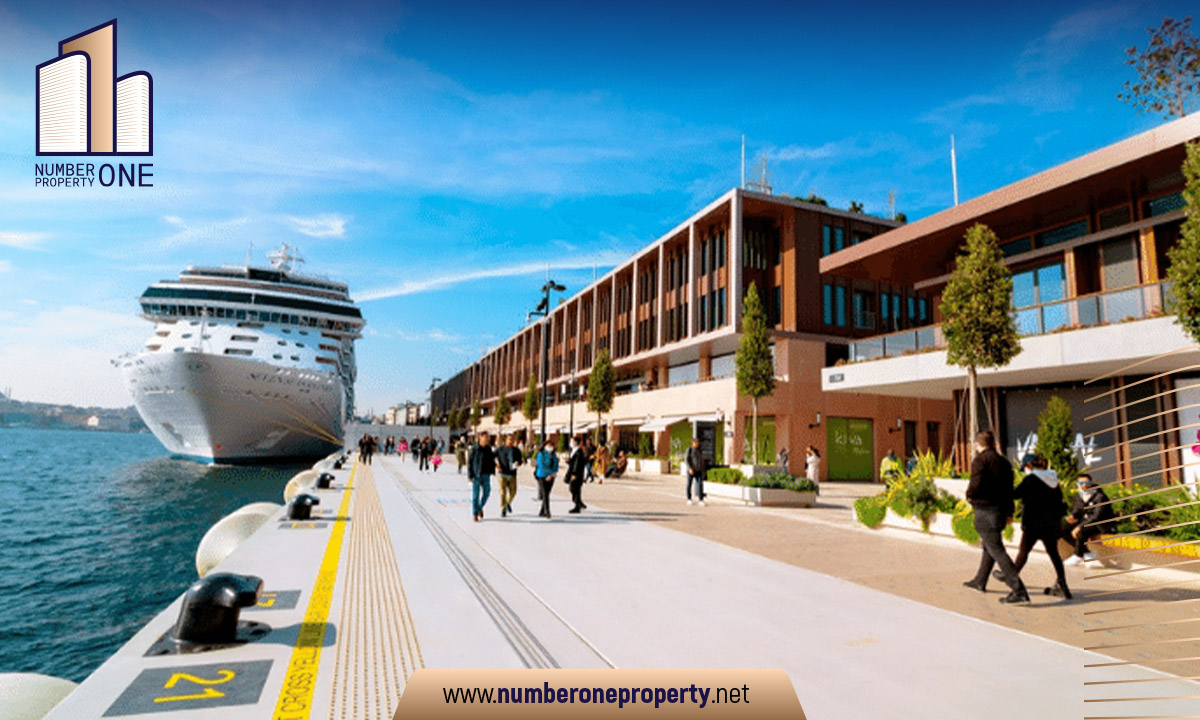
In Istanbul, the strategic location of commercial properties relative to transportation infrastructure demonstrates the profound impact of highways and public transit systems on property values:
Central Istanbul: Commercial Hub
Proximity to transportation nodes: The heart of the city, where most bus and train lines converge, is a testament to the importance of accessibility for commercial success.
The impact of the urban train system: The urban train system improves downtown connectivity, making it a more attractive location for businesses.
Iconic landmarks: The city center is not only a transportation hub but also home to iconic historical landmarks, adding to its commercial appeal.
Highway Connectivity
Extensive network: Istanbul's extensive highway system offers unparalleled access and transportation options, connecting the city to broader markets.
Infrastructure investment: The city's commitment to investing billions of dollars in highway reconstruction and infrastructure upgrades bolsters the growth of the commercial real estate market.
Premium properties: Established businesses tend to occupy locations near highways, highlighting the value of such placements for commercial activity.
This case study highlights the symbiotic relationship between transportation infrastructure and commercial property values.
Highway development and accessibility provided by public transit systems facilitate ease of access and significantly contribute to the attractiveness and value of commercial properties in urban centers like Istanbul.
These observations align with broader real estate trends, highlighting the growing demand for properties near public transit hubs due to their significant impact on urban development and property values.
This reflects the priorities of the millennial generation and strategic considerations for real estate developers and investors.
Transportation Research: Factors Influencing the Degree of Impact
Impact of Proximity and Property Type:
Single-family detached homes: Properties located near highways experience depreciation due to concerns like noise and pollution.
Multi-family residential developments: These properties appreciate in value with proximity to highways, attributed to the demand for accessibility.
Commercial properties: Generally benefit from highway proximity, as accessibility is vital for businesses and customers.
Traffic and Noise Considerations:
Traffic volume: The level of traffic on adjacent major roads significantly influences the negative impact on property values. Higher traffic volumes can lead to more noise, pollution, and congestion, detracting from residential appeal.
Noise pollution: Directly correlated with a decrease in property values. Properties closer to the source of highway noise receive a greater negative impact, emphasizing the importance of subjective factors like individual tolerance to noise.
Landlocked properties: This situation may occur as a result of highway development, which reduces accessibility and consequently lowers market value.
Market Strategies and Reactions:
Commuting preferences: Individuals who prioritize quick highway access for their daily commute may be willing to pay a premium for such convenience, highlighting a market segment that values time-saving over tranquility.
Protective measures: Implementing safety and noise mitigation measures, such as fences and green walls, can help shield properties from the negative aspects of nearby highways, potentially increasing their appeal and value.
Market adjustments: Empirical evidence suggests that factors like the type of improvement, proximity to the highway, and the time of construction completion are critical in determining property values. This indicates that not all properties near highways are affected equally, and market values can adjust based on these variables.
This analysis highlights the complexity of how highways impact property values, with various factors such as property type, traffic volume, and noise playing significant roles.
Furthermore, market reactions and strategies like protective measures can mitigate some of the adverse effects, illustrating the nuanced relationship between highways and property values.
Ongoing transportation research on the impacts of traffic, noise, and property type continues to refine our understanding of how transportation infrastructure influences property values.
Challenges and Considerations in Infrastructure Planning
Infrastructure Investment, with the allocation of billions of dollars in new funding for infrastructure investments, including roads and bridges, is a significant step forward.
However, several challenges and considerations must be addressed to ensure the effective implementation of such large-scale projects.
Incorporating spatial econometric models and spatial Durbin models can significantly enhance the accuracy of predictions regarding land use changes and transportation impacts by accounting for spatial dependencies and complex interactions between various variables.
Moreover, the application of spatial models is vital to capturing the dynamic interactions between land use and transportation development, providing insights into how infrastructure investments can shape urban growth and resolve planning challenges.
Travel Demand and Land Use Modeling:
Current travel demand models struggle to accurately predict latent and induced travel demand, intermodal impacts, and the complex relationship between land use and transportation. This inaccuracy can lead to inefficient planning and resource allocation.
The interdependence between land use and transportation development is well recognized; however, existing models are unable to predict the land use changes that transportation improvements might induce.
This gap highlights the need for more sophisticated modeling techniques to capture these dynamic interactions.
Organizational and Workforce Challenges:
Inadequate coordination between land use and transportation planning agencies has been a long-standing issue. This organizational misalignment hinders the development of cohesive and effective transportation strategies, which are crucial for urban development and congestion management.
The transportation sector faces difficulties in attracting qualified personnel. Many students with technical backgrounds are drawn to fields offering higher salaries and faster career advancement, leaving a talent gap in transportation planning and infrastructure development.
The Impact of COVID-19 and Future Funding Strategies:
The COVID-19 pandemic has had a profound impact on transportation infrastructure, causing a decline in urban mobility and disrupting global supply chains. These challenges have forced governments worldwide to rethink their infrastructure spending plans.
For example, G20 countries have announced over $800 billion for transportation infrastructure as part of their stimulus packages, aiming to drive transformational changes and address critical issues like climate change, environmental sustainability, and income inequality.
Innovative funding and investment strategies are increasingly important. Traditional funding sources, such as taxes, tolls, and grants, may need to be reconsidered for the ambitious projects planned.
Alternative mechanisms, including public-private partnerships, value capture, user fees, and bonds, offer viable pathways to secure the necessary capital for future infrastructure projects.
These considerations underscore the need for a strategic approach to infrastructure planning that embraces advanced modeling techniques, fosters inter-agency collaboration, addresses workforce challenges, and explores innovative funding solutions.
By addressing these issues, policymakers and planners can pave the way for infrastructure development that meets current needs and anticipates future challenges and opportunities.
Future Trends and Potential Developments
Real estate professionals are navigating a rapidly evolving landscape influenced by technological advancements and societal shifts.
Understanding these changes is crucial for advising clients on strategic investments and anticipating market trends. Key emerging trends include:
Autonomous Vehicles:

The advent of autonomous vehicles is expected to significantly alter transportation dynamics, likely reducing the need for personal car ownership.
This shift could impact the demand for residential properties with extensive parking facilities and reshape urban planning norms.
Bike-Sharing Expansion Programs:
Cities worldwide are expanding bike-sharing programs, promoting sustainable transportation, and reducing reliance on motor vehicles.
This trend enhances the appeal of properties near bike-sharing stations, as residents value the added convenience and reduced transportation costs.
Smart City Initiatives:

Innovative urban initiatives aimed at integrating technology into urban infrastructure, improving efficiency and quality of life.
Features such as intelligent traffic management systems, energy-efficient buildings, and enhanced public safety measures make certain areas more attractive to residents and businesses.
These developments are not isolated but interconnected, influencing each other and the real estate market. For instance, the integration of autonomous vehicles and innovative urban technologies could lead to more efficient use of urban spaces, affecting property values in underutilized areas.
Similarly, the expansion of bike-sharing programs may increase the attractiveness of properties in less accessible locations, provided they are within reach of these amenities.
Real estate professionals must stay informed about these trends to effectively anticipate market shifts and advise clients on strategic investments.
Conclusion
Throughout this article, we have uncovered the complex interplay between highways and property values, emphasizing the importance of strategic infrastructure planning and its nuanced impact on various property types.
From residential properties to commercial real estate, proximity to transportation infrastructure, especially highways, has emerged as a fundamental determinant of property value dynamics.
This exploration highlights the economic benefits of well-located properties and underscores the need for conscious infrastructure development to mitigate potential negative impacts such as noise and pollution.
Looking ahead, the evolving landscape of transportation and infrastructure planning presents both challenges and opportunities.
The rise of autonomous vehicles, the expansion of bike-sharing programs, and innovative smart city initiatives are set to redefine urban living and, consequently, property values.
It is imperative that stakeholders—from policymakers to real estate professionals—remain informed and adaptable to these changes.
By embracing innovative planning and funding strategies, we can ensure that infrastructure development continues to enhance property values and the quality of life in our communities, bridging the gap between current needs and future aspirations.
Frequently Asked Questions
What is the difference between a highway and an interstate?
A highway is a broad term for a major road that typically connects cities or towns. In contrast, an interstate is a specific type of highway that crosses state lines. While every interstate is a highway, not all highways qualify as interstates.
How do highway projects impact local air quality?
Highway projects can negatively impact local air quality, primarily due to increased vehicle emissions during lane closures. Additionally, certain construction materials release hydrocarbons (HC), contributing to the degradation of air quality in the area.
What is the impact of highways on natural landscapes?
Highways can significantly alter natural landscapes, disrupting local ecosystems and habitats. They can affect land and water flows (subsurface and surface), including wildlife movement, hydrology (subsurface and surface), and wind erosion patterns, leading to environmental changes.
What is the environmental impact of highway construction?
Highway construction often necessitates the clearing of natural habitats, which can result in deforestation and a decline in biodiversity. This destruction alters ecosystems, leading to the loss of wildlife habitat and the degradation of ecosystem services vital for environmental health.