




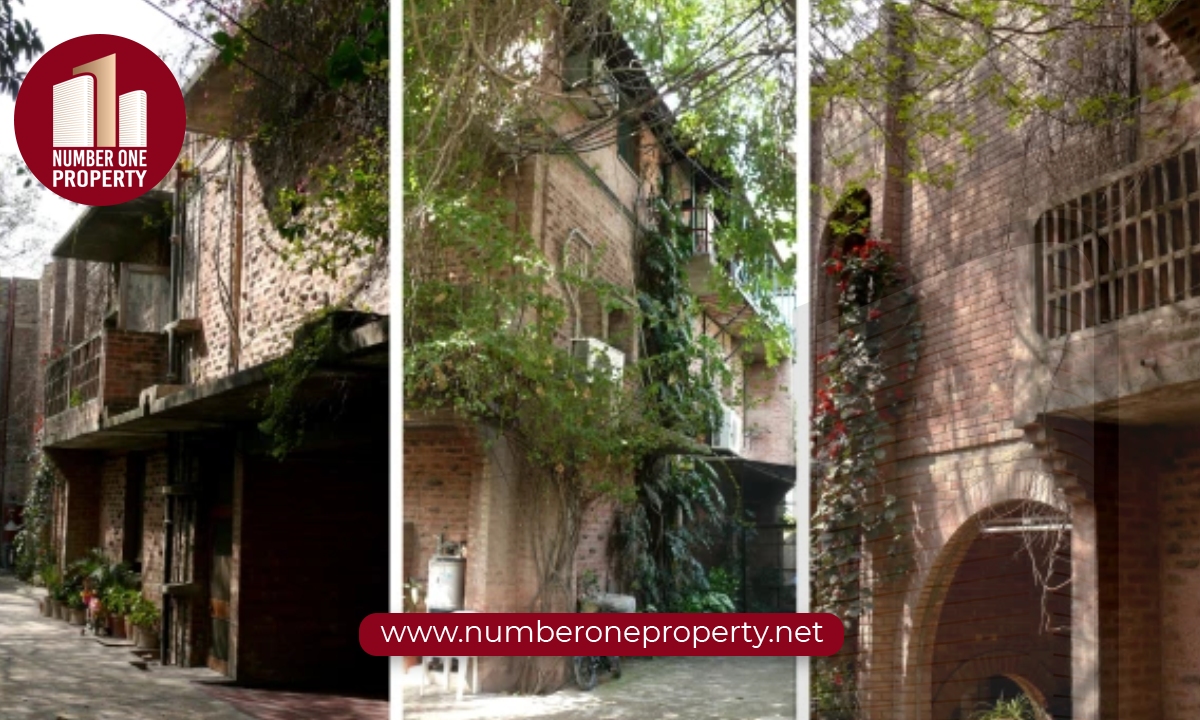
Culture is an invisible yet powerful force that has shaped the way human settlements are designed and built throughout history. Cultural influences go far beyond simple aesthetics; they reflect the social fabric, traditions, beliefs, and environmental realities that define lifestyles. The architecture of every civilization serves as a treasure of its values and ideals—from the magnificent mosques of the Islamic world to the towering Gothic churches of Europe and the intricately designed pagodas of Asia. Understanding these cultural influences opens a window into appreciating the rich diversity of human experiences woven into the built environment around us.
The Concept of "Home" in Different Cultures
The word “home” carries deep meaning in every culture. In some cultures, the focus is on strengthening family bonds, which is reflected in large shared spaces. In contrast, cultures that value privacy and individual space prefer layouts with separate rooms. Cultural beliefs regarding connections with ancestors can also influence design choices. For example, in some cultures, respect for ancestors requires dedicated spaces for remembrance and honoring the deceased. Exploring the concept of “home” across different cultures reveals the strong relationship between the way we live and our core values. Understanding these connections helps architects and designers create spaces that resonate with the diverse needs and aspirations of global communities.
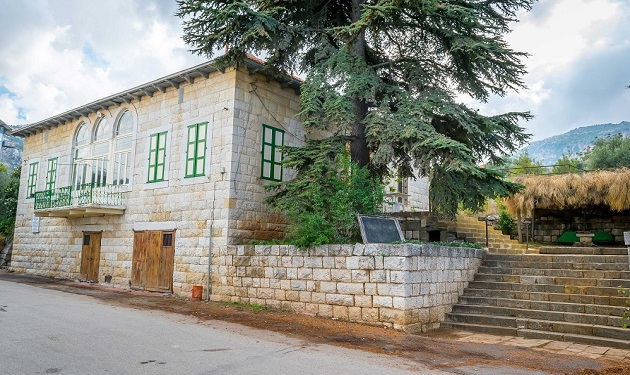
Historical Landscapes: From Empires to the Silk Road
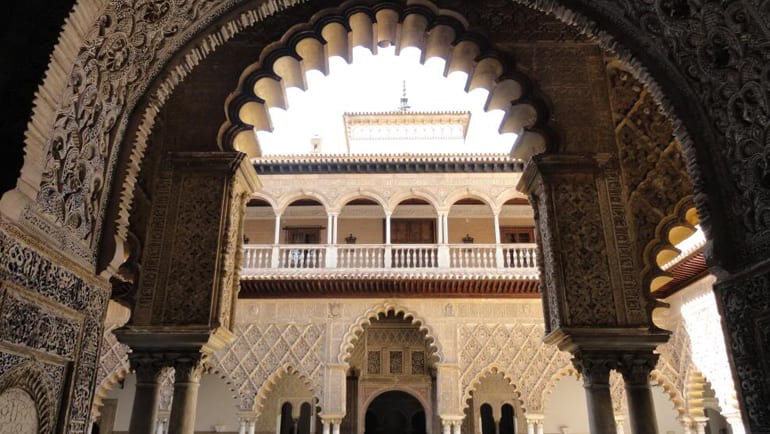
Whispers of history flow through our architectural landscapes, as historical events and eras leave undeniable marks on architectural styles. The magnificent Ottoman palaces in Istanbul reflect the grandeur and luxury of the Ottoman Empire at the height of its power. Throughout history, migration and trade have acted as melting pots of culture, encouraging the exchange of architectural styles and building techniques. The Silk Road, a network of trade routes connecting Asia with Europe and Africa, facilitated the transfer of architectural ideas and innovations. For example, the influence of Islamic architecture can be seen in the intricate tilework and complex arches of Spanish buildings such as the Alhambra Palace in Granada. Istanbul’s architectural heritage—blending Byzantine, Ottoman, and European influences—reflects the city’s long history as a crossroads of civilizations.
Climate and Geography: The Silent Architects of Culture
The natural environment plays a vital role in shaping building methods. Climate determines many architectural elements. In regions with heavy snowfall, such as parts of northern Türkiye, homes often have steep roofs to prevent snow accumulation. In contrast, warmer climates like the Mediterranean coasts of Türkiye inspire designs with large windows, balconies, and open spaces that encourage natural ventilation and cooling. Geography also presents unique challenges for architectural design. In flood-prone areas, elevated homes and structures built on stilts are commonly used to protect residents from rising water levels.
Building Materials and Construction Techniques: Natural and Human Heritage
Natural materials are not only practical choices but often carry cultural significance. Bamboo, a fast-growing and renewable resource in many parts of Asia, is widely used for construction because of its strength, flexibility, and symbolic representation of resilience. Similarly, adobe—made from earth and straw—is a traditional building material in the Middle East and Latin America, valued for its insulation properties and connection to nature. Construction techniques have evolved through cultural preferences and technological advancements. Traditional Ottoman houses were often built with wooden frames and earthen walls, reflecting the available materials and craftsmanship of the time. Modern innovations in steel and concrete have expanded possibilities for architects and engineers, yet cultural heritage still influences how these materials are integrated into contemporary designs.
Symbolism and Aesthetics in Architecture: The Silent Language of Culture
Architecture goes beyond functionality; it is a powerful language that expresses the cultural values and artistic traditions of a nation. Symbolic elements are woven into buildings, giving them deeper meaning. In Chinese architecture, Feng Shui principles guide the placement and design of structures to create harmony with nature and promote good fortune. Similarly, Vastu Shastra, the ancient Indian system of architecture, emphasizes balance and incorporates symbolic elements to create living spaces that enhance well-being. Aesthetic preferences shaped by cultural heritage and artistic traditions significantly influence architectural styles. Cultures that emphasize craftsmanship and intricate details often prefer elaborate facades and decorative elements. Meanwhile, cultures that value simplicity and functionality tend toward minimalist designs with clean lines and organized spaces. These preferences often stem from cultural contexts—for example, the vibrant colors and intricate mosaics in Islamic architecture reflect the rich artistic heritage of the Islamic world.
Modernism and Globalization: The Challenge of Identity in a Uniform World
The rise of modernism in the twentieth century, with its focus on simplicity, functionality, and innovative materials like steel and concrete, introduced a global architectural style that influenced traditional landscapes. While modernism brought undeniable benefits such as efficiency and affordability, it also raised concerns about the erosion of cultural identity. The glass-and-steel skyscrapers that became synonymous with modernism sparked debates about the role of architecture in reflecting unique cultural values. Today, the challenge lies in balancing the homogenizing forces of globalization with the desire to preserve cultural heritage, including traditional building practices. Architects increasingly draw inspiration from vernacular architecture—an approach that allows them to integrate cultural significance and local knowledge into contemporary designs that are both innovative and sustainable. Examples include incorporating pagoda elements in Vietnamese buildings or using sustainable techniques such as earth construction in Morocco.

Sustainable and Eco-Friendly Design: Lessons from the Past
Cultural influences are shaping a new era of sustainable architectural design. Traditional practices that have evolved over centuries provide valuable insights for modern construction. Feng Shui principles in Asia promote balanced living spaces through natural elements, encouraging modern architects to incorporate natural ventilation and strategically placed windows. Traditional architecture in colder regions often uses thick walls and small windows for insulation—an approach that can now be reinterpreted using high-performance building materials. Green roofs, popular in Scandinavian countries, provide insulation, reduce stormwater runoff, and create habitats for wildlife. Passive solar design, which has roots in Native American architecture, uses natural sunlight for heating and can be adapted to contemporary buildings worldwide. By understanding these cultural influences, architects can create structures that are not only environmentally responsible but also reflective of the values and lifestyles of their inhabitants. This shift toward a more holistic approach to construction ensures buildings that are efficient, beautiful, environmentally friendly, and culturally meaningful.
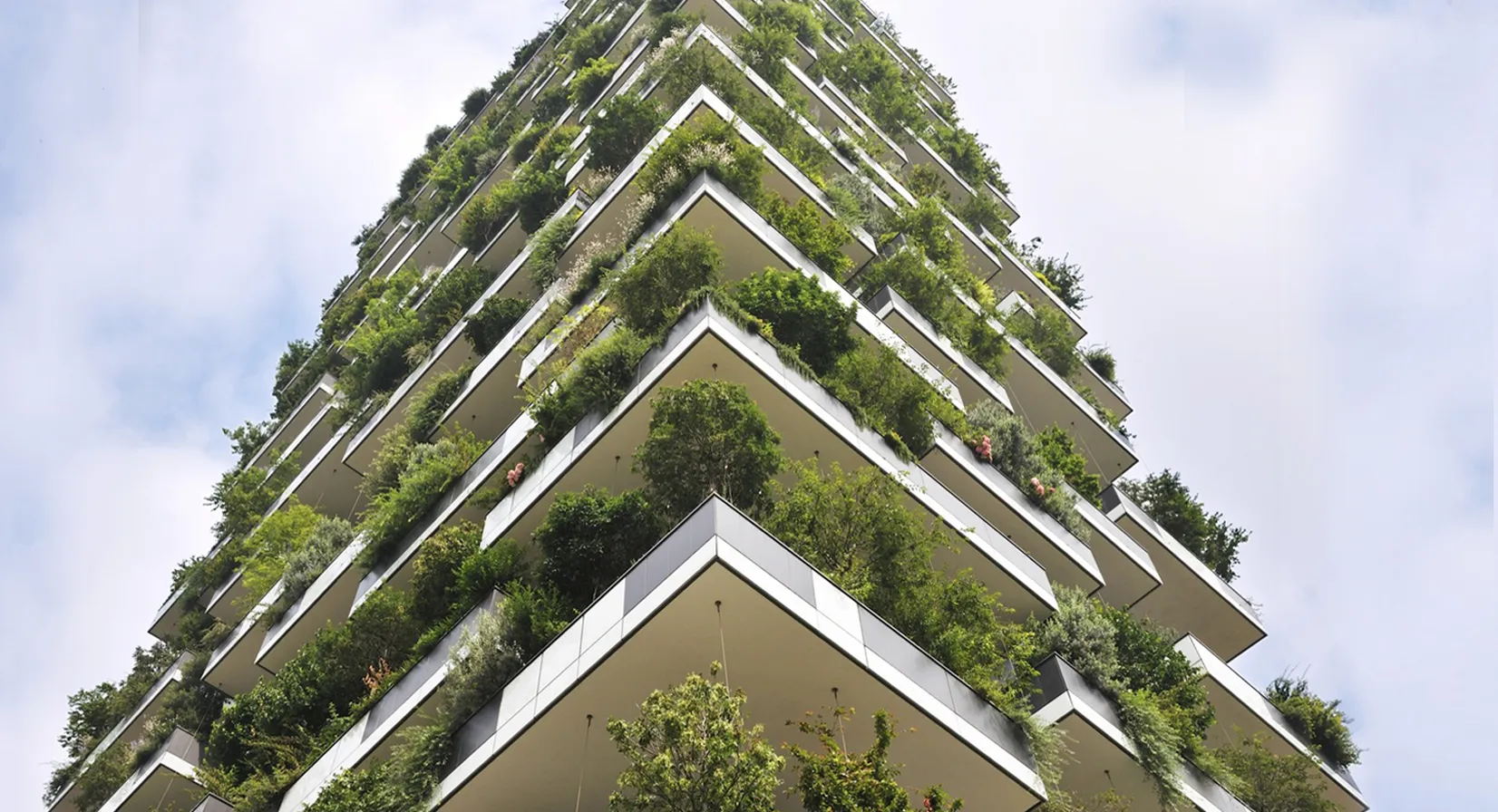
Read more: Investing in Green Buildings and Eco-Friendly Real Estate Developments
Urbanization and the Future of Housing: Balancing Culture and Density
The world is rapidly urbanizing as growing populations migrate to cities. This transformation will significantly shape the future of housing and architectural design. Cultural influences will undoubtedly play an important role in how societies adapt to this changing landscape. Urbanization is driving the rise of apartment living and mixed-use developments. These dense living environments offer solutions to land shortages in cities while encouraging community interaction. However, cultural preferences for privacy and spacious living environments present challenges for architects. Balancing these needs with the realities of urban life will be crucial. Several key factors are likely to shape the future of housing design: rapid urbanization requiring innovative housing solutions, and technological advances such as prefabrication and sustainable building materials influencing construction methods and architectural forms.
Challenges in Preserving Cultural Heritage in Architecture
The advancement of modernization and the constant threat of natural disasters present significant challenges for preserving architectural heritage. Cultural heritage embodied in historic buildings and architectural styles represents a tangible connection to the past and reflects the cultural values of societies over time. Losing these structures is like losing a part of our collective memory. Natural disasters such as earthquakes, floods, and fires continuously threaten cultural heritage sites. International efforts are underway to develop strategies for protecting and restoring culturally significant architecture. These include disaster preparedness planning, advanced restoration techniques, and international cooperation for financial support. Cultural influences can also shape preservation efforts; in some cultures, strong respect for tradition and community values can inspire local initiatives aimed at protecting historic buildings.
Conclusion: Bridging Tradition and Innovation for an Inclusive Future
Recognizing and integrating cultural influences into modern housing and architectural design is not merely an aesthetic choice—it is a bridge connecting the past with the future. By drawing inspiration from long-standing traditions, architects can create spaces that resonate with the values and lifestyles of diverse populations. Architects and urban planners play a crucial role in this effort. They must act as cultural stewards, balancing the need for innovation with the importance of preserving tradition. This fusion of tradition and innovation is the key to building a future where everyone feels a sense of belonging in the built environment.
Read more:
The Impact of Tourism on the Real Estate Market in Istanbul
The Evolving Landscape of Land Investment in Istanbul
Foreign Investment in Türkiye: A Comprehensive Guide for Investors