




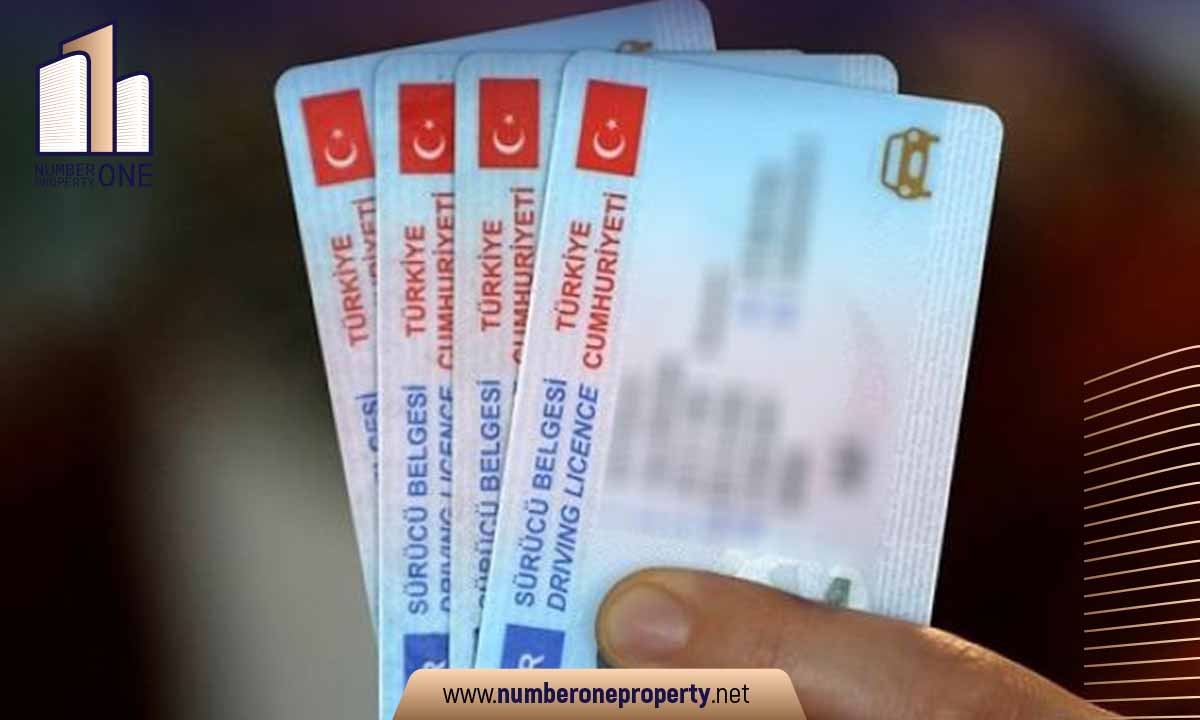
If you plan to live in or travel to Turkey and want to drive your own car, getting a driver's license in Turkey is essential and important. This process requires following specific procedures and knowing the necessary steps. In this guide, we will familiarize you with how to get a driver's license in Turkey, from gathering documents to passing the required exams, so you can easily overcome obstacles and bureaucratic procedures to achieve your goal of getting a license that allows you to drive freely on Turkish roads.
What is a driving license in Turkey?
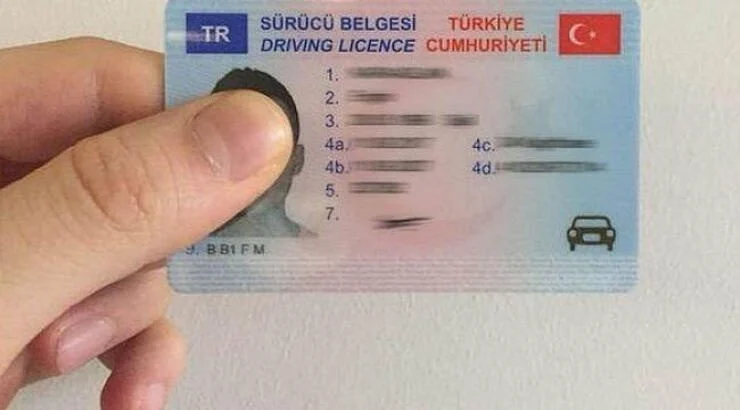
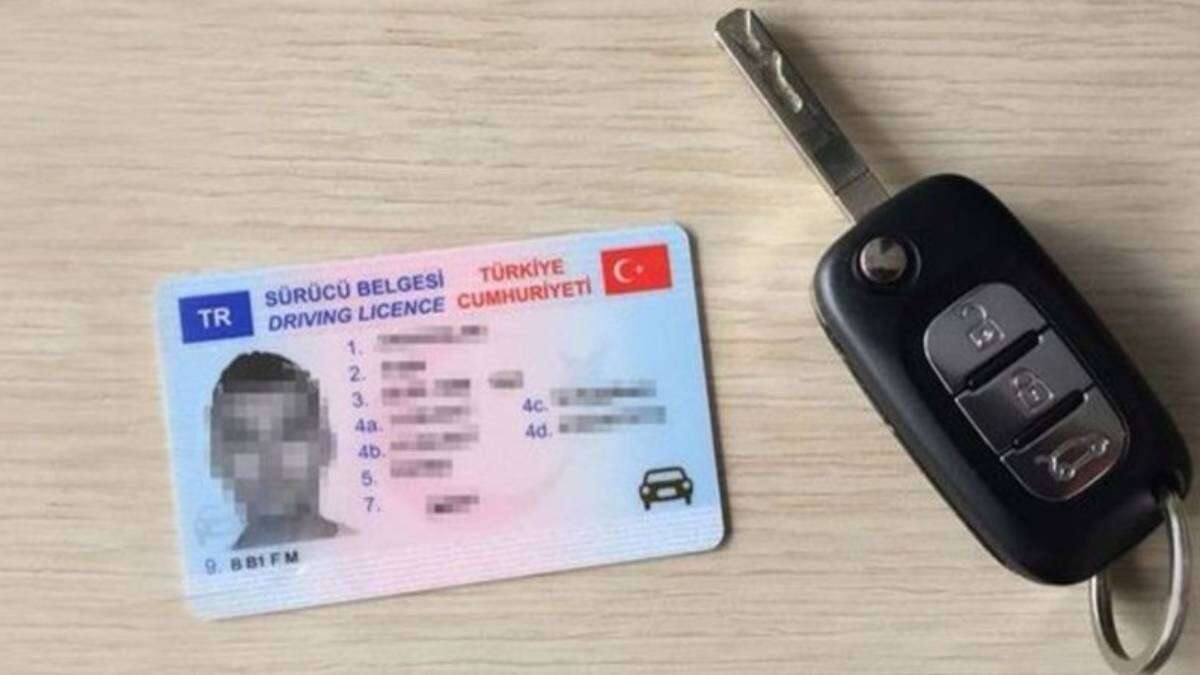
A driving license in Turkey is a card that records your identity information and your ability to drive a vehicle in Turkish territory. This card gives you the right to drive legally without violating laws on Turkish roads. This license is commonly known as a "driving certificate" or "driving permit" among Persian speakers, and is called "Ehliyet" in Turkish. A driver's license demonstrates the driver's commitment to traffic laws and their ability to operate a vehicle, and is considered a legal permit for you to travel within Turkey with a personal or rented car.
Steps to get a driving license in Turkey
- Gathering documents and registering at a driving school: First, you must collect all necessary documents and submit them along with the training fees to your chosen driving school.
- Attending training courses and passing exams: After registration, you must participate in theoretical and practical training courses provided by the school. After completing the course, you will take both theoretical and practical exams and, if you pass, receive a certificate of success.
- Paying government fees and obtaining a receipt: After passing the exams, you need to pay the license issuance fees through one of the contracted banks in Turkey and provide the receipt along with other documents.
- Visiting the Traffic Directorate: You must book an appointment with the Traffic Directorate (Trafik Tescil Şube Müdürlüğü) in your area of residence and visit with all your documents for identity verification and to complete the administrative steps.
- Receiving the temporary and permanent license: After completing the above steps, you will first receive a temporary driver's license that allows you to drive. About one month after receiving the temporary license, the original license will be sent to your address.
Conditions required to obtain a driving license in Turkey
- Valid residency: Having a valid residence card in Turkey, whether as a Turkish citizen or a foreign resident.
- Legal age: Reaching the legal age for driving (usually 18 years for car licenses).
- Clean criminal record: Not having a negative criminal record in Turkey.
- Passing exams: Successfully passing the theoretical and practical driving tests through an accredited driving school.
Types of training for getting a driving license in Turkey
Applicants for a driver's license in Turkey undergo two main types of training:
Theoretical training:
This training course consists of 20 to 24 hours of classes, usually held in 10 to 12 sessions of about two hours each. These classes teach traffic laws, road signs, basic car mechanics, and safety tips.
Practical training:
This course includes 6 to 8 hours of practical driving instruction, held in 10 to 12 sessions of about 40 minutes each. In these sessions, under the supervision of an experienced instructor, necessary skills for driving in various urban and road conditions are practiced.
Upon completion of these comprehensive courses, participants gain the required readiness to take the final exam and receive their license.
Types of Turkish driving licenses
In Turkey, driving licenses are divided into different categories based on the type of vehicle:
- Class A: For motorcycles and small engines.
- Class B: For passenger cars, minibuses, and light pickup trucks.
- Class C: For heavy commercial vehicles such as trucks.
- Class D: For special-purpose vehicles like construction equipment or agricultural machinery.
- Class E: For buses.
Obtaining any of these licenses requires passing the respective theoretical and practical exams and medical examinations to ensure drivers are qualified for their chosen vehicle.
Timing and opportunities to retake the driving test in Turkey
Driving schools generally hold exams throughout the year. Exams are typically held between the first and tenth of each month. If you fail the theoretical or practical exam (or both), you have up to four chances to retake the exam without needing to retake the training courses. It should be noted that the fees for retaking exams may be higher than the initial exam fee.
Documents required to obtain a driving license in Turkey
- Certificate of passing the driving license exam.
- Copy of a valid ID card in Turkey: Including a Turkish national ID, tourist residence card, work permit, or temporary protection card (for Syrian nationals and others).
- Translated and certified copy of educational documents: Students can provide a student enrollment certificate.
- Medical report: From an approved public or private hospital, certifying physical and mental fitness to drive.
- Criminal record certificate: Which can be obtained from a notary public (Noter) or the e-Government platform (E-Devlet).
- Four recent passport-sized photos (size 4x6 cm).
- Receipt for payment of government license issuance fees.
How to pay driving license fees in Turkey:
Fees related to the driving license can be paid through the following methods:
- Branches of banks contracted with the tax department.
- Payment counters at tax offices (Vergi Dairesi).
- ATMs of certain banks.
- Internet banking systems of contracted banks.
Related Articles
Frequently Asked Questions
Is a Turkish driving license valid abroad?
Yes, the Turkish driving license is recognized by 84 countries. Some of these countries include:
- Bahamas
- Germany
- Albania
- Austria
- Azerbaijan
- Belgium
- Belarus
- Zimbabwe
- United Arab Emirates
- Venezuela
- Bosnia and Herzegovina
- Vatican City
- Brazil
- Chile
- Bulgaria
- Uruguay
What are the types of driving licenses by class in Turkey?
- Class A1: For motorcycles.
- Class A2: For bicycles (Note: This is likely an error in the source text, it usually refers to higher displacement motorcycles).
- Class B: For passenger cars, minibuses, and pickup trucks.
- Class C: For trucks.
- Class D: For towing vehicles (Note: This might also be inaccurate and usually refers to heavier vehicles/buses).
- Class E: For buses.
- Class F: For tractors.
- Class G: For motorized engineering vehicles.
- Class H: For special vehicles for disabled persons.
- Class K: For individuals learning to drive (learner's permit).