




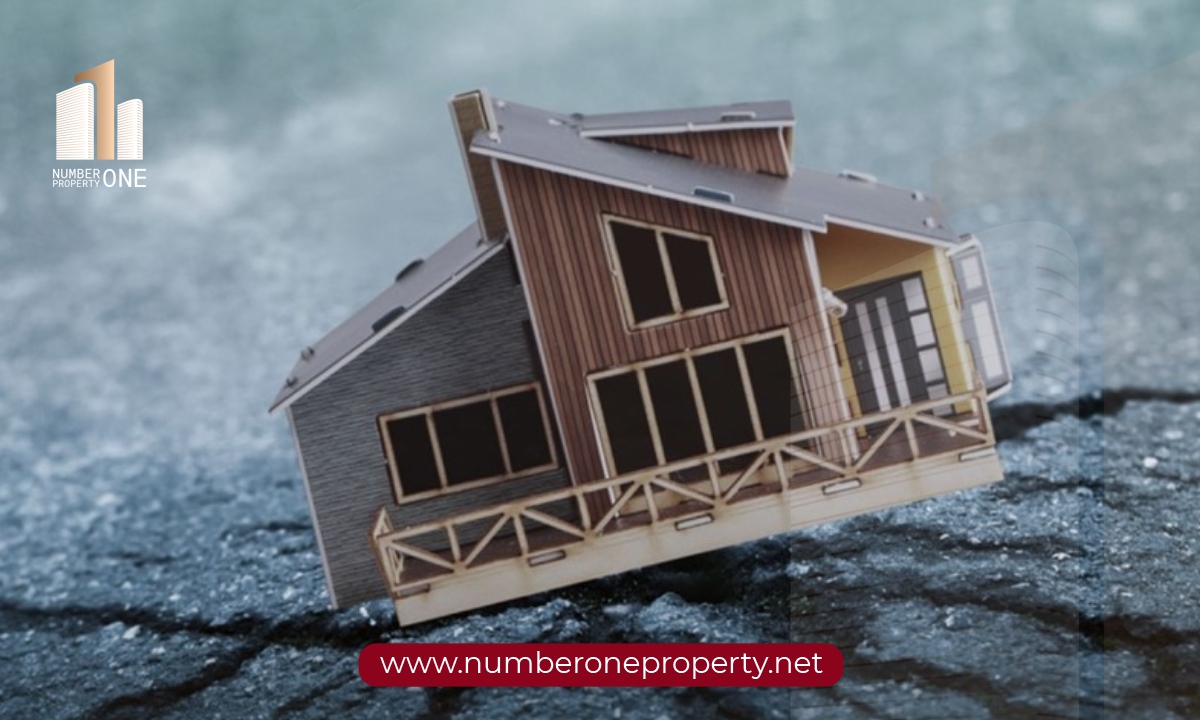
Like any other natural disaster, an earthquake can create opportunities for real estate players, construction companies, and investors, while also bringing serious challenges. The impact of an earthquake on the real estate market depends on its severity, geographical location, and the extent of the damage incurred.
Generally, earthquakes can have both short-term and long-term effects on the real estate market.
Short-Term Effects of Earthquakes on the Housing Market
In the short term, immediately following an earthquake, we may witness a decrease in demand for buying and selling properties in the affected areas due to safety concerns, structural damage to buildings, and uncertainty about their stability. This situation can lead to a temporary drop in prices, as buyers postpone their purchases until the situation stabilizes and damages are fully assessed. Furthermore, access to basic services such as electricity, water, and gas may be disrupted, which further detracts from the appeal of the damaged areas.
Long-Term Outlook of the Real Estate Market Post-Disaster
The long-term impact of an earthquake on the real estate market depends on the extent of the damage and the speed and quality of the reconstruction process. If the damage is widespread and rebuilding is slow or costly, property prices may continue to decline, and it could take years for the real estate market to return to its former levels. On the other hand, if reconstruction is swift, effective, and adheres to modern safety standards, buyer confidence is restored, and property prices may stabilize or even increase. Additionally, earthquakes can affect property insurance coverage in damaged areas, driving up insurance costs, which in turn impacts property value and demand.
Insurance companies may act more cautiously in high-risk earthquake zones or raise premiums, which can directly affect property values and buyer demand.
Analysis of the Real Estate Market in the Post-Earthquake Era
The real estate market following an earthquake is a complex phenomenon influenced by several factors, including the earthquake's intensity, geographical location, and the effectiveness of the reconstruction process. Here are further points to consider:
Importance of Location: The impact of an earthquake on the real estate market varies by geographical location. If an earthquake occurs in an area with high demand and low supply, its impact might be minimal. Conversely, if it hits an area with low demand and high supply, the impact can be much more severe. Factors such as proximity to urban centers, access to infrastructure, and the economic status of the region play a decisive role.
Changes in Building Codes: Earthquakes can lead to the revision and alteration of building codes and regulations, especially in seismic zones. These changes can increase construction costs and consequently affect property values. As a result, buyers might be more inclined to purchase properties built according to the new safety standards.
Government Intervention: Government intervention can also heavily influence the post-earthquake real estate market. For instance, the government might provide financial assistance for rebuilding damaged properties, helping to stabilize their values. Additionally, the government could impose restrictions on building in high-risk zones, impacting supply and demand within the market.
Risk Perception: The perception of risk plays a significant role in the post-earthquake real estate market. If buyers consider an area to be at high risk for earthquakes, they might avoid buying property there, even if the actual risk is relatively low. Conversely, if an area is perceived as low-risk, buyers may be more willing to invest.
Overall Market Conditions: The broader conditions of the real estate market also dictate how natural disasters affect home values. In a strong market with high demand, a natural disaster's impact on home values might be lesser compared to a weak market with low demand.
Hidden Opportunities in the Post-Earthquake Housing Market

Despite the devastation, an earthquake can create unique opportunities in the real estate market:
Discounted Prices: An Opportunity for Investors
After an earthquake, some property owners may list their damaged properties at lower prices due to an urgent need for liquidity or an inability to afford repairs. Investors with the necessary financial capacity to purchase and renovate these properties can seize this opportunity and secure substantial profits.
Reconstruction and Renovation: The Engine of the Economy
The need for construction and rebuilding post-earthquake provides numerous opportunities for developers, contractors, and other real estate professionals. Renovation and retrofitting projects can stimulate job creation and economic growth in the affected regions.
Increased Demand for Safe and Sturdy Housing
Following an earthquake, particularly in heavily damaged areas, the demand for safe and sturdy housing surges. Real estate agents who can provide high-quality, secure housing options stand to benefit greatly from this growing demand.
Special Economic Zones and Investment Incentives
In some cases, earthquake-stricken regions may be designated as Special Economic Zones (Opportunity Zones), with the government offering tax incentives to encourage economic recovery and investment. Investors who allocate funds to these areas can take advantage of these incentives.
A Look at Global Experiences: The Impact of Natural Disasters on Housing Prices
History has shown that earthquakes and other natural disasters impact housing prices differently depending on their severity, geographical location, and local market conditions. These disasters can significantly affect housing prices, particularly in the short term. However, over time, as reconstruction efforts and economic recovery take hold, housing prices can gradually rebound. It is important to note that the recovery process can be lengthy, and the long-term impact on housing prices depends on multiple variables, including the event's severity and the specific conditions of the local market.
Various natural disasters—including earthquakes, hurricanes, floods, wildfires, and volcanic eruptions—can leave a profound mark on housing prices in affected areas. Below is an overview of how different types of natural disasters affect housing prices:
Earthquakes: Shaking the Housing Market
- Immediate Damage: Earthquakes can cause severe structural damage to homes, leading to a depreciation in property value. The extent of the damage depends on factors like the earthquake's magnitude, depth, and proximity to residential areas.
- Fear of Recurrence: Even if an area has not experienced a major earthquake in a long time, the fear of future seismic activity can drive down property values. Individuals may hesitate to buy or invest in homes located in fault zones.
- New Building Regulations: In certain seismic zones, stricter building codes and retrofitting requirements may be enforced, which can raise construction costs and subsequently increase property prices.
- Insurance Costs: Homeowners in earthquake-prone areas may face higher insurance premiums, increasing the overall cost of ownership.
Hurricanes and Floods: A Threat to Coastal and Low-Lying Properties
- Coastal Property Values: Homes located on the coast are especially vulnerable to hurricanes and floods. Following severe storms, property values in these areas may drop due to the ongoing risk of future storms and soaring insurance costs.
- Flood Zones: Properties situated in flood zones often experience depreciation because potential buyers are wary of flood risks and the associated financial burdens.
- Infrastructure Damage: Hurricanes can cause massive damage to infrastructure, including roads, utilities, and public services. This can indirectly exert a negative impact on home values.
Wildfires: Devastating Consequences
- Destruction and Evacuation: Widespread wildfires can destroy homes and force mandatory evacuations, leading to a decline in property values in the impacted areas.
- Insurance Costs: Owners in fire-prone regions might face premium hikes or struggle to obtain coverage altogether, which affects affordability for future buyers.
- Health Concerns: Smoke and air quality issues generated by wildfires can also deter potential buyers who are concerned about the health risks of living in these areas, thereby affecting property values.
Tornadoes: Sudden and Widespread Destruction
Tornadoes can inflict massive damage on homes, and their impact on property values depends on the scale and frequency of tornadoes in the region. Home Insurance: Areas prone to tornadoes may face higher home insurance costs, which affects overall affordability.
Volcanic Eruptions: Risks of Ash and Lava
Volcanic eruptions can damage properties through ashfall and lava flows, heavily impacting property values in adjacent areas. Evacuations and Disruptions: Eruptions can trigger mandatory evacuations and disrupt daily life, significantly diminishing the appeal of residing in the affected regions.
It is vital to recognize that the impact on housing prices can vary wildly depending on the disaster's severity, the region's preparedness and resilience, and current market conditions. Furthermore, government policies, disaster relief efforts, and rebuilding initiatives can shape the trajectory of property value recovery over time. Buyers and investors frequently evaluate these factors when considering property purchases in disaster-prone areas.
Key Factors Determining Property Value After a Disaster

Property value following a natural disaster is influenced by a variety of factors:
- Severity of the Disaster: The extent of the damage is the primary factor. Homes that have suffered extensive damage, such as structural compromises or total destruction, generally experience a sharper decline in value compared to homes with minor damage.
- Proximity to the Disaster Site: Homes closer to the epicenter or the main impact zone of the disaster (like a fault line or the eye of a storm) are more likely to see a negative impact on their value.
- Type of Disaster: Different types of natural disasters affect property values in different ways. For example, homes in flood zones might lose value after a flood, while wildfires primarily affect homes in fire-prone areas.
- Frequency of Disasters: Regions that frequently experience natural disasters may suffer a cumulative negative effect on property values over time. Repeated disasters can make potential buyers and investors pessimistic about the area.
- Risk Mitigation Measures: The presence of effective risk mitigation measures and resilient infrastructure can lessen the disaster's impact on property values. For instance, sturdy levees or flood control systems in flood-prone areas can help protect homes and preserve their value.
- Availability and Cost of Insurance: The availability and affordability of insurance coverage for natural disasters significantly impact property values. If insurance is exorbitantly expensive or difficult to obtain due to high risk, it can deter potential buyers and drive down prices.
- Government Policies and Regulations: Local government policies regarding land use, building codes, and disaster preparedness can shape property values. Stricter building codes and zoning laws aimed at reducing risk may increase construction costs but also enhance the property's long-term resilience.
- Economic Factors: The local and national economic climate influences how natural disasters affect property values. In a robust economy, property owners may have more resources to rebuild and recover, whereas in a weaker economy, the impact could be far more severe.
- Community Resilience: Communities with proactive disaster response plans and demonstrated resilience tend to see a faster recovery in their property values compared to areas lacking adequate preparedness.
- Public Perception and Social Stigma: Negative perceptions and the stigma associated with a specific disaster can linger long after the event. Potential buyers might avoid investing in an area with a history of disasters, even if the physical damages have been fully repaired.
- Reconstruction and Recovery Efforts: The speed and efficiency of rebuilding and recovery efforts dictate how property values behave. Timely and effective reconstruction helps property values bounce back faster.
- Market Conditions: General real estate market conditions, including supply and demand dynamics, interest rates, and buyer preferences, dictate how natural disasters influence property values. For example, property values might recover much more rapidly in a hot seller's market.
It is essential to understand that the impact of natural disasters on home values can differ drastically from one situation to the next, and it may take years for affected areas to fully recover. Homeowners, real estate investors, and policymakers must weigh all these factors when assessing the potential risks and opportunities associated with properties in disaster-prone regions.
Examining the Turkish Real Estate Market After Recent Earthquakes

Following recent earthquakes, the Turkish real estate market—particularly in cities like Istanbul—has witnessed significant shifts in its dynamics. The housing market, heavily influenced by various economic factors, is highly sensitive to natural disasters like earthquakes. After such events, both domestic and global factors play a crucial role in reshaping the housing landscape.
One of the most immediate effects of an earthquake is its impact on housing prices. Property prices, especially in areas with higher seismic risk or those that have sustained substantial damage, are likely to decrease. Real estate agents and developers often have to pivot their strategies to adapt to these shifting market conditions. The destruction caused by earthquakes can raise awareness regarding the importance of earthquake-resistant construction, fostering real estate developments that prioritize safety.
Istanbul, serving as a primary hub for real estate investment opportunities, is deeply affected by any regional seismic activity. The Central Bank of Turkey and housing authorities play a vital role in stabilizing the market by implementing policies that address the impact of natural disasters on property prices and ownership. Data from real estate portals and hedonic models are utilized to analyze the effect of ground movement on property values, providing invaluable insights for investors and homeowners alike.
While earthquakes can damage property values in affected zones, neighboring cities may experience a surge in demand for real estate as people relocate in search of safer housing alternatives. Multiple economic factors, both local and international, dictate how the real estate market responds to natural disasters. In most instances, the housing market eventually rebounds, showcasing the resilience of the real estate sector in the face of adversity.
Conclusion: A Look at the Future of the Real Estate Market in Times of Crisis
Natural disasters, including earthquakes, present unique challenges to the Turkish real estate market. However, they also highlight the market's capacity to adapt and evolve, making it an attractive destination for savvy investors. The initial drop in property prices following an earthquake often paves the way for excellent investment opportunities, particularly as the Turkish government continuously refines regulations and promotes safety in real estate development. By leveraging data-driven insights and collaborating with reputable real estate agents, investors can confidently participate in the market's recovery phase and long-term growth. Turkey's strategic location, robust economic fundamentals, and the resilience of its real estate sector position the country as a highly promising destination for those looking to own and invest in property.
Further Reading: